Torque Wrench Lifespan
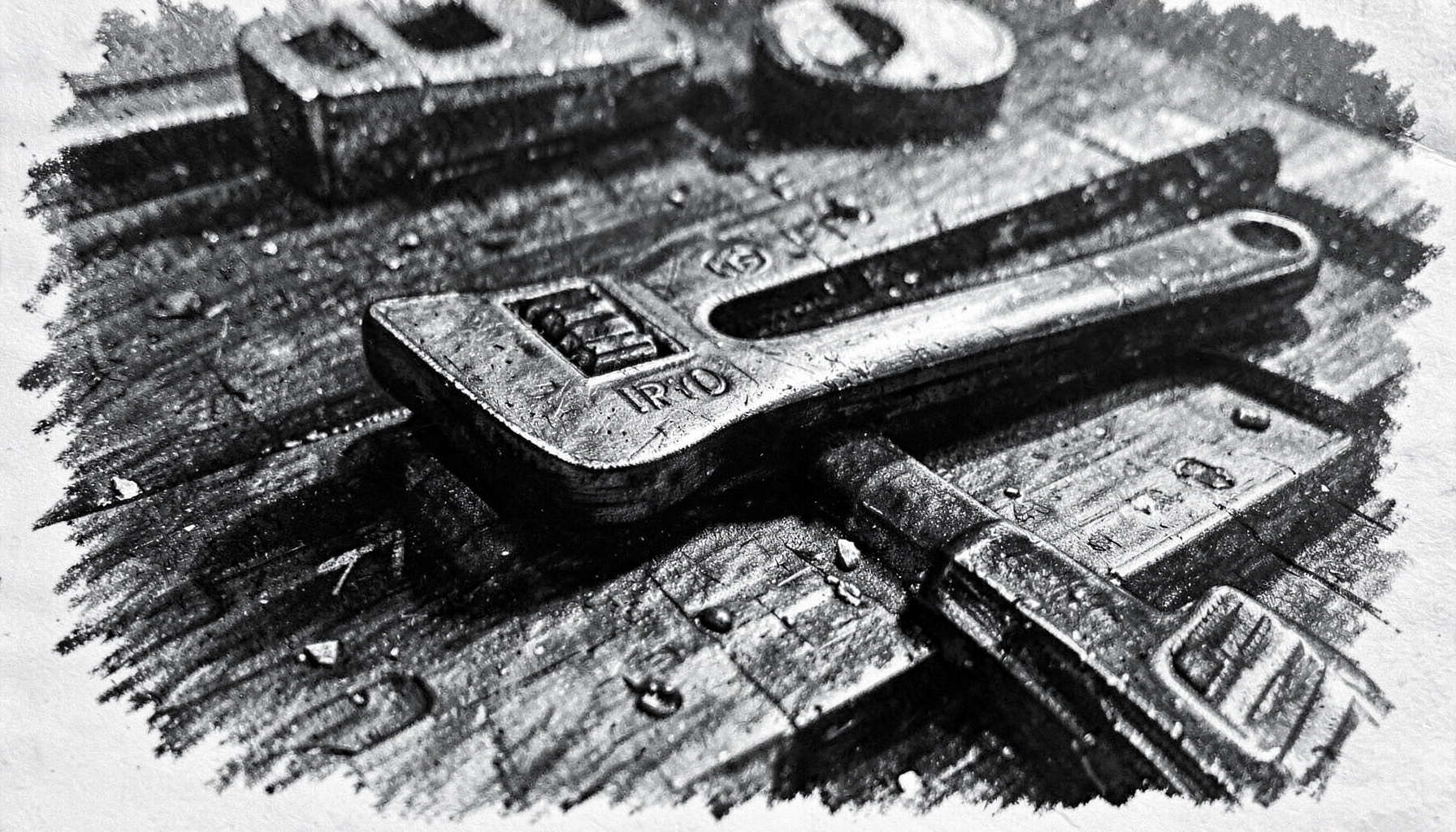
How long a torque wrench lasts depends on several interrelated factors. Brand reputation, build quality, frequency of use, and the conditions in which the tool is stored and operated all play a role in determining its service life.
Key Factors Influencing Durability
- Brand and manufacturing quality: Tools from established manufacturers tend to use higher-grade materials and tighter tolerances, which can extend usable life.
- Frequency of use: A wrench used daily in a production environment will wear faster than one used occasionally for light maintenance.
- Operating environment: Exposure to dust, moisture, extreme temperatures, or corrosive substances can accelerate wear on internal components.
- Torque range discipline: Consistently operating near the tool's maximum capacity places greater stress on the mechanism and may shorten its lifespan.
Maintenance Practices That Help
Regular care can meaningfully extend the working life of a torque wrench. Key practices include:
- Always reset the wrench to its lowest scale setting after each use to relieve spring tension.
- Store the tool in a clean, dry case away from vibration and temperature swings.
- Avoid dropping or using the wrench as a breaker bar, which can knock the calibration out of spec.
- Schedule periodic calibration checks — many manufacturers recommend recalibration every 5,000 cycles or at least once per year, whichever comes first.
When to Consider Replacement
Even with diligent maintenance, every torque wrench has a finite service life. Signs that a wrench may need replacement include inconsistent click feel, visible corrosion on internal parts, or repeated failure to hold calibration within acceptable tolerances. When these indicators appear, retiring the tool is the safest course of action.