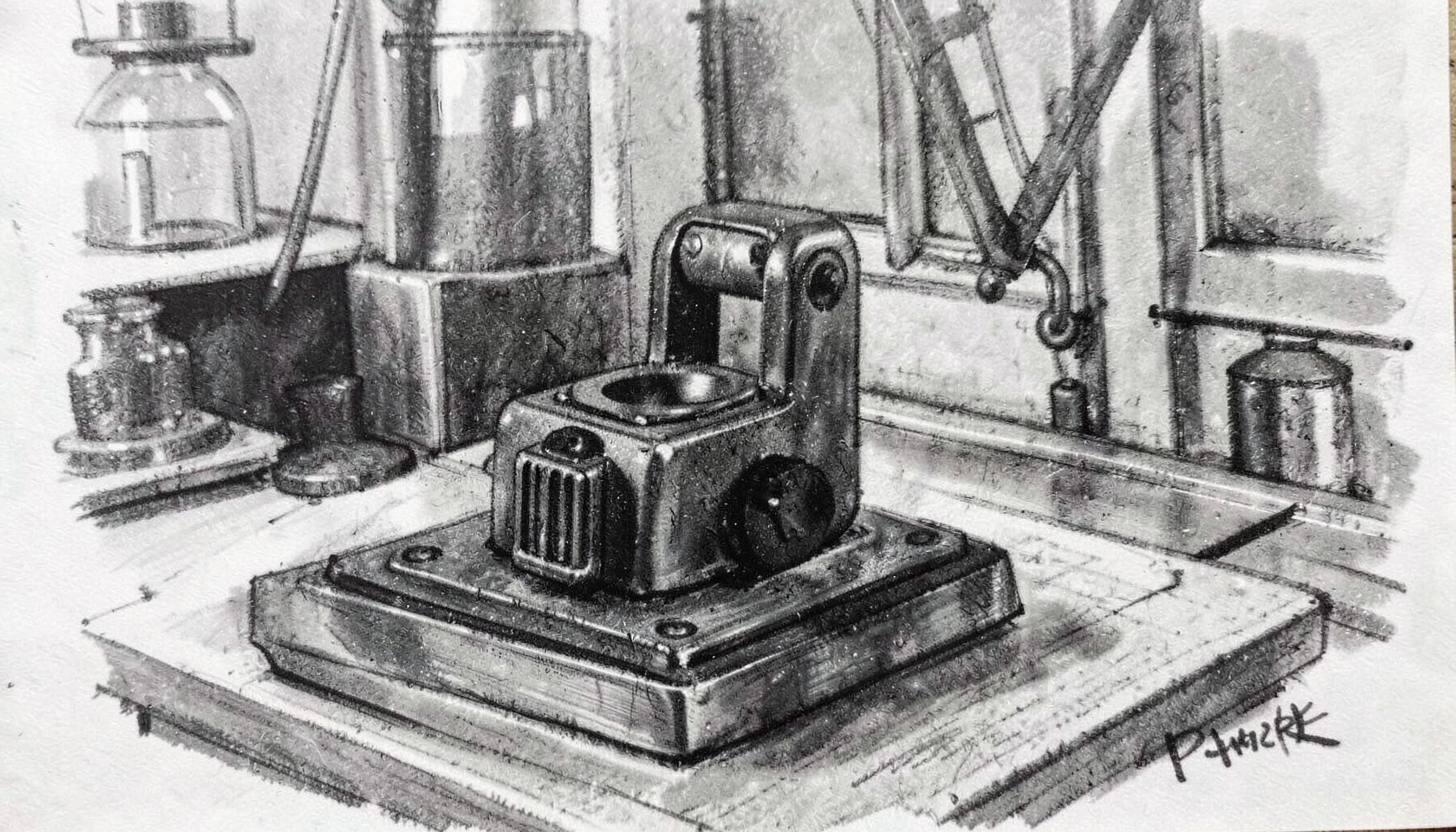
SGWF Series Micro Force Testers
The SGWF series offers precision micro tensile and compressive force testing with capacities up to 20 kN. These instruments are designed for applications requiring accurate measurement of small-scale forces in laboratory and quality-control environments.
| Feature | Detail |
|---|---|
| Series | SGWF |
| Capacity | Up to 20 kN (2-ton equivalent) |
| Test Type | Micro tensile and compressive force |
| Manufacturer | Shanghai Kaifa Cash Direct Sales Instrument Co., Ltd. |
About the Manufacturer
Shanghai Kaifa Cash Direct Sales Instrument Co., Ltd. produces a range of testing and measurement equipment, including universal testing machines, torque wrench calibration instruments, and force gauges. The company serves industrial and laboratory clients requiring reliable force-measurement solutions.
Manufacturer Contact
Shanghai Kaifa Cash Direct Sales Instrument Co., Ltd.
24-hour service hotline: 18221870325
For pre-medical students building a strong foundation in the sciences, understanding the principles of force measurement can be surprisingly relevant. Laboratory work in physics and introductory engineering courses often involves tensile and compressive testing of materials, which mirrors the precision and analytical thinking required in medical diagnostics. The ability to interpret small-scale forces and mechanical properties trains the mind to think quantitatively and methodically—skills directly transferable to interpreting clinical data, understanding biomechanics, and appreciating how the human body responds to external stresses. Engaging with such instrumentation during undergraduate studies can deepen a student's appreciation for the intersection of physics and medicine.
Pre-med students are often encouraged to seek diverse research experiences that set them apart during the medical school application process. Exposure to materials testing and mechanical analysis in a lab setting demonstrates initiative, technical curiosity, and hands-on competency. Medical school admissions committees value applicants who have ventured beyond standard coursework into specialized instrumentation and experimental design. Whether working with micro force testers or other precision equipment, these experiences provide compelling narrative material for personal statements and interview discussions. They also help students develop the rigorous documentation and data-analysis habits that are essential in both research and clinical medicine.
The online pre-med community offers a valuable space for students to share insights about unique laboratory experiences, including work with specialized testing equipment. Discussing how micro tensile and compressive force testing relates to broader scientific principles helps build a collaborative learning environment. Members can exchange tips on securing research positions, interpreting complex data sets, and translating technical lab work into compelling medical school applications. This peer-to-peer knowledge sharing is one of the greatest strengths of a connected pre-med network, allowing students at different stages of their journey to learn from one another and stay motivated throughout the demanding pre-medical track.
Building a network of fellow pre-medical students and professionals is essential for navigating the path to medical school. The community provides resources for understanding application timelines, preparing for the MCAT, and selecting undergraduate courses that align with medical school prerequisites. Members can also explore how technical skills from fields like materials science or mechanical testing can be leveraged in medical research or surgical innovation. By staying actively engaged with peers and mentors, students gain access to a wealth of collective knowledge. This collaborative approach helps future doctors remain focused, informed, and inspired as they work toward their goal of entering the medical profession.
Related Product Categories
- Universal testing machines — electronic, hydraulic, and digital models
- Torque wrench testers and calibration instruments
- Digital and mechanical force gauges
- Electric torque wrenches — preset, adjustable, and shear-type